
In today’s fast-paced data-driven world, mastering negotiation skills is no longer optional for data analysts—it’s essential. With companies increasingly relying on data insights to shape critical decisions, the ability to influence stakeholders and secure resources can make or break project success.
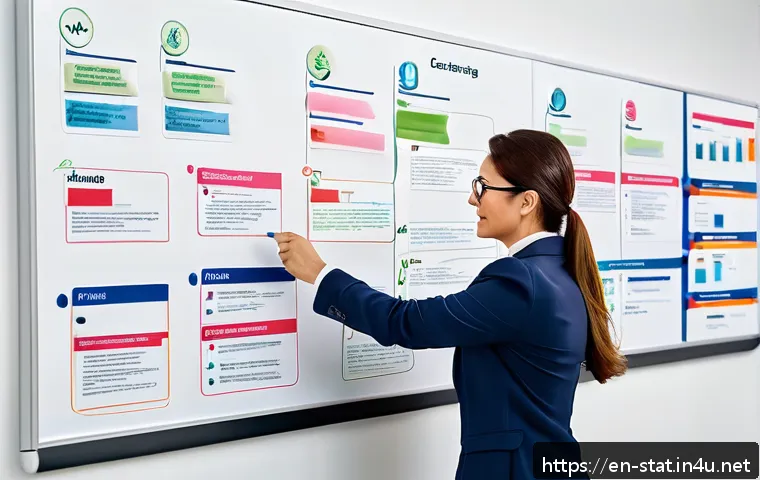
Whether you’re presenting findings to executives or collaborating across departments, effective negotiation boosts your impact and drives tangible results.
Let’s explore how adopting strategic negotiation techniques can elevate your role and unlock new opportunities in your data career. Stay tuned to discover practical tips that have transformed how analysts like you lead and persuade.
Building Trust Through Data Storytelling
Crafting a Narrative That Resonates
When you present data, it’s tempting to just show numbers and charts, but that rarely moves people. I’ve learned that weaving a story around your analysis makes a huge difference.
Instead of dumping stats, start by understanding your audience’s pain points or goals. Then, tailor your message to connect data points with their challenges.
For instance, when I presented a customer churn analysis to marketing, I didn’t just highlight the percentage drop—I framed it as a direct opportunity to boost retention and revenue.
This approach made the data more relatable and motivated stakeholders to act.
Using Visuals to Build Credibility
Visual aids can make or break your negotiation. Clear, well-designed charts help clarify complex insights and reduce misunderstandings. But be cautious—overloading slides with cluttered graphs can backfire and make you look less credible.
From my experience, a simple line or bar chart paired with a concise explanation works best. Color coding trends or highlighting key numbers draws attention to what matters.
When I switched to this minimalist style, I noticed more nods of agreement and fewer questions during discussions, which streamlined decision-making.
Establishing Yourself as a Trusted Expert
Building trust isn’t just about the data you share—it’s also about demonstrating expertise and reliability over time. I always make a point to double-check my findings and be transparent about limitations.
Admitting uncertainty or potential data gaps actually boosts my credibility because it shows honesty. Moreover, following up with stakeholders after meetings to clarify points or provide extra info reinforces that I’m dependable.
This ongoing engagement transforms you from a data provider into a valued consultant, which strengthens your negotiation position significantly.
Mastering Stakeholder Alignment
Identifying Key Players and Their Interests
Before any negotiation, pinpointing who holds influence and understanding their priorities is critical. In cross-functional projects, I often map out stakeholders using a simple matrix: power versus interest.
This helps me prioritize who to engage deeply and tailor messages accordingly. For example, executives usually want high-level impact and ROI, while technical teams focus on feasibility and accuracy.
Recognizing these differences lets you prepare arguments that resonate uniquely with each group, making your proposals more persuasive.
Building Consensus Through Collaboration
Negotiation isn’t about winning alone—it’s about finding common ground. When I approach discussions, I emphasize collaboration and shared goals. Starting with open questions about what success looks like for each party opens dialogue and surfaces concerns early.
I’ve found that inviting input and adjusting recommendations based on feedback fosters buy-in and reduces resistance. This collaborative mindset turns potential conflicts into problem-solving sessions, which ultimately accelerates project approval and resource allocation.
Handling Objections with Empathy and Data
Objections are inevitable, but how you respond makes all the difference. I always listen carefully without interrupting, which shows respect and helps me understand underlying concerns.
Then I address objections by combining empathy with evidence. For instance, if a stakeholder worries about budget constraints, I highlight cost-saving aspects of my proposal backed by data.
If skepticism arises about data accuracy, I offer to share methodologies or conduct a pilot. This balanced approach reassures stakeholders and keeps negotiations constructive.
Leveraging Timing and Preparation
Choosing the Right Moment to Present
Timing can be a secret weapon in negotiation. I’ve noticed that delivering key insights right before budget meetings or strategic planning sessions increases chances of resource approval.
Stakeholders are more receptive when your data aligns with their current priorities. Also, avoid rushing presentations after long meetings or during busy periods—people’s attention wanes.
Scheduling discussions when decision-makers are fresh and focused helps your message land better and opens space for meaningful questions.
Thorough Preparation to Anticipate Challenges
I never walk into a negotiation without prepping thoroughly. This means not only knowing your data inside out but also anticipating possible pushbacks or questions.
I usually create a list of potential objections and rehearse clear, concise responses. Preparing alternative scenarios or compromises in advance also shows flexibility and readiness.
This preparation boosted my confidence and made negotiations smoother, as I felt equipped to handle surprises without getting flustered.
Practicing Active Listening and Adaptability
Negotiation is a two-way street, and active listening is key. During discussions, I focus on really hearing what stakeholders say—and what they don’t say.
Sometimes body language or tone reveals hesitation or hidden concerns. Responding adaptively by adjusting your pitch or offering new solutions on the spot can turn the tide.
This fluid approach keeps the dialogue dynamic and shows you value input, which builds rapport and trust.
Communicating Value Beyond Numbers
Translating Data Into Business Impact
Numbers alone don’t convince decision-makers; they want to know the “so what.” I make it a point to translate metrics into business outcomes—whether it’s revenue growth, cost reduction, or customer satisfaction.
For example, instead of saying “conversion increased by 5%,” I frame it as “an additional $500,000 in quarterly revenue,” which grabs attention. This framing helps stakeholders see the tangible benefits and justifies investments more easily.

Highlighting Long-Term Benefits and Risks
I also emphasize the strategic implications of data insights. Pointing out risks of inaction or long-term gains from adopting recommendations adds weight to your case.
When I presented a predictive model to reduce downtime, I quantified not just immediate savings but also avoided losses over the next year. Highlighting these broader impacts helps shift conversations from short-term cost to sustainable value, which appeals to higher-level decision-makers.
Using Analogies and Relatable Examples
Sometimes data can feel abstract, so I use analogies or real-world examples to make concepts stick. For instance, explaining data quality issues as “garbage in, garbage out” or comparing a complex model to a GPS guiding decisions makes it more accessible.
These relatable touches make your message memorable and reduce resistance, especially among non-technical stakeholders.
Negotiation Tactics Tailored for Data Projects
Leveraging Pilot Projects as Proof of Concept
Proposing pilot projects can be a powerful negotiation tactic. It reduces perceived risk and lets stakeholders see results firsthand before committing fully.
I’ve successfully used pilots to secure initial funding, then expanded scope based on positive outcomes. This stepwise approach builds confidence and creates momentum that’s hard to stop once progress is visible.
Balancing Assertiveness and Flexibility
Negotiations require a delicate balance between standing firm and being adaptable. I’ve found that clearly stating your needs and rationale upfront sets expectations, but staying open to alternative solutions fosters goodwill.
For example, if resource requests are denied, suggesting phased implementation or shared responsibilities keeps the project alive. This balance shows professionalism and improves long-term relationships.
Documenting Agreements and Follow-Up Plans
Finally, capturing negotiation outcomes in writing is crucial to avoid misunderstandings. After meetings, I send concise summaries outlining agreed points, next steps, and responsibilities.
This not only reinforces commitments but also serves as a reference if questions arise later. Consistent follow-up demonstrates accountability and keeps projects on track, which stakeholders appreciate.
Essential Communication Skills for Data Analysts
Clarity and Conciseness in Messaging
One of the biggest hurdles I faced early on was explaining complex analyses without overwhelming listeners. Over time, I learned to distill key points into simple, jargon-free language.
Being concise respects your audience’s time and makes your message more impactful. For example, instead of lengthy technical explanations, I focus on what the data means for the business and next steps.
This clarity helps maintain attention and drives decisions.
Confidence Without Arrogance
Confidence in your insights and recommendations is essential, but it must be balanced with humility. I strive to present findings assertively while inviting questions and alternative views.
This approach builds trust and encourages open dialogue. When I sound too rigid or dismissive, I notice pushback increases. So, a confident yet approachable tone fosters collaboration and smooth negotiations.
Effective Questioning to Uncover Needs
Asking the right questions is as important as sharing answers. I often use open-ended questions to understand stakeholder priorities and uncover hidden concerns.
For example, “What are your biggest challenges with current data processes?” or “How would you define success for this project?” These questions reveal valuable insights that shape my negotiation strategy and make proposals more relevant.
| Skill | Why It Matters | Practical Tip |
|---|---|---|
| Data Storytelling | Transforms raw data into relatable narratives that engage stakeholders | Use audience-focused examples and simple visuals |
| Stakeholder Alignment | Ensures buy-in by addressing diverse interests and building consensus | Map stakeholders by influence and tailor messages |
| Timing & Preparation | Maximizes impact by choosing the right moment and anticipating challenges | Schedule presentations strategically and rehearse responses |
| Value Communication | Highlights business impact beyond numbers to justify decisions | Frame metrics as financial or strategic benefits |
| Negotiation Tactics | Balances assertiveness and flexibility to reach agreements | Propose pilots, document outcomes, and follow up consistently |
| Communication Skills | Builds trust and clarity, essential for effective influence | Be clear, confident, and ask insightful questions |
Conclusion
Building trust through effective data storytelling and clear communication is essential for successful negotiations. By aligning with stakeholders, choosing the right timing, and demonstrating both expertise and empathy, you can turn complex data into actionable insights. These skills not only enhance your credibility but also drive meaningful business outcomes. Remember, negotiation is as much about listening and adapting as it is about presenting facts.
Helpful Tips
1. Always tailor your data narrative to address the specific needs and goals of your audience to make your message resonate deeply.
2. Use simple, clean visuals that highlight key insights without overwhelming your listeners, increasing clarity and trust.
3. Prepare thoroughly by anticipating questions and objections, which boosts confidence and smooths the negotiation process.
4. Frame data in terms of tangible business value, such as revenue impact or risk reduction, to justify recommendations effectively.
5. Follow up after meetings with clear summaries and next steps to maintain accountability and momentum.
Key Takeaways
Successful data-driven negotiations hinge on more than just numbers. Crafting relatable stories and aligning with diverse stakeholders create a foundation of trust. Timing your presentations strategically and preparing for challenges ensures your message hits home. Balancing assertiveness with flexibility and maintaining open communication strengthens relationships and fosters collaboration. Ultimately, translating data into clear business value and engaging with empathy transform you from a data provider into a trusted advisor.
Frequently Asked Questions (FAQ) 📖
Q: Why are negotiation skills important for data analysts?
A: Negotiation skills are crucial for data analysts because they often need to advocate for their projects, secure necessary resources, and influence decision-makers.
Data insights alone aren’t enough if you can’t effectively communicate their value or persuade stakeholders to act on them. Strong negotiation helps ensure your analyses lead to real-world impact, whether that means budget approval, cross-team collaboration, or buy-in from executives.
Q: What are some effective negotiation techniques data analysts can use?
A: Successful negotiation for data analysts involves a mix of preparation, active listening, and clear communication. First, thoroughly understand the needs and priorities of your stakeholders.
Then, present your data-driven recommendations in terms that align with their goals. Also, be ready to find win-win solutions and remain flexible. Techniques like storytelling with data, asking open-ended questions, and demonstrating the business value of your insights can make your case more compelling.
Q: How can improving negotiation skills impact a data analyst’s career growth?
A: Enhancing negotiation skills can significantly boost a data analyst’s career by increasing their influence and leadership within the organization. When analysts confidently negotiate for resources, timelines, or strategic initiatives, they become trusted partners rather than just number crunchers.
This visibility often leads to more challenging projects, promotions, and opportunities to shape business strategy, ultimately accelerating professional growth and job satisfaction.